
Loading...
Serving Lakewood, WA and surrounding areas. (253) 294-7057
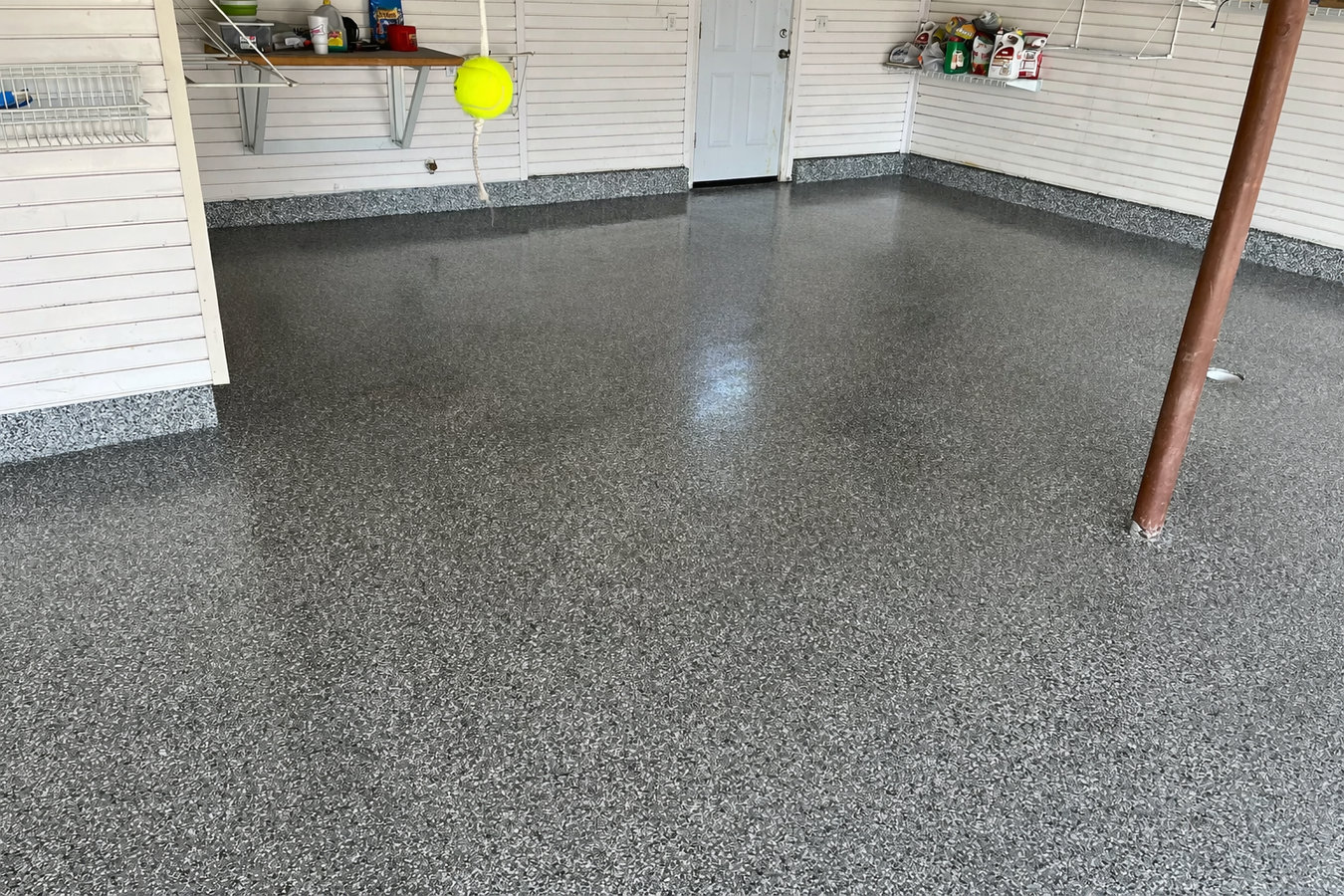
Cracked, pooling, or deteriorating garage floors are common in Lakewood homes. We replace and resurface garage floor concrete with proper base prep and drainage grading so you get a clean, usable floor that holds up through Pacific Northwest winters.
Garage floor concrete in Lakewood, WA means removing the old slab, compacting the ground, laying a gravel base, and pouring fresh concrete at the right thickness - most standard two-car garage replacements take one to three days of active work, with a full week of curing before you park again. Getting the base right matters more than most homeowners expect. Lakewood sits on glacially deposited soils with clay-heavy layers that shift with seasonal moisture, and a floor poured without proper compaction and gravel will start cracking within a few years.
A large share of Lakewood homes were built in the 1950s through 1970s, and many of those original garage slabs have never been replaced. If yours was poured before 1990, there is a real chance it lacks the gravel base and control joints that modern work requires. If you are also considering a new decorative concrete finish for the floor or adjoining spaces, that conversation is easier to have before the pour rather than after.
If you can see cracks wider than a hairline - especially ones that have grown over time or where one side sits higher than the other - the slab is failing. In Lakewood's wet climate, water gets into those cracks, freezes during cold snaps, and widens them further every winter.
A properly installed garage floor slopes slightly toward the door so water drains out. If you notice puddles forming in the middle or back corners after a rainy day - which is most of the year here - the floor has either settled unevenly or was never graded correctly.
If the top layer of your concrete is peeling away in chips or developing small pits, the surface is deteriorating. This is especially common in older Lakewood homes where the original slab may have been poured with a weaker mix or without proper finishing.
If you notice a slight rise or dip when you walk across it, or if your car rocks when you pull in, the slab has shifted. In Lakewood's clay-heavy soil areas, ground movement over decades can cause sections of a slab to heave or sink independently.
We handle the full scope - demo of the existing slab, haul-away, ground compaction, gravel base installation, forming, pouring, and surface finishing. For homeowners who want a plain functional floor, a broom finish is the standard choice - it gives grip underfoot without added cost. For those who want something cleaner-looking, a trowel finish is available, and if you plan to add an epoxy coating later, we finish the surface in a way that prepares it for proper bonding. Coatings bond best to fresh, fully cured concrete, so it is worth deciding before the pour rather than after. You can also explore a concrete floor installation for adjacent utility spaces or basement areas if you want consistent flooring throughout.
Every full garage floor replacement includes control joints cut or pressed into the surface - those are the straight lines that give the concrete a place to flex rather than cracking randomly across the middle of your floor. A floor without them is more likely to develop irregular cracks over time. We also grade the surface to drain toward the garage door so water moves out rather than pooling.
Best for floors with shifting, heaving, or structural cracks where patching and resurfacing will not address the root problem.
Suits homeowners who want a durable, grippy floor at the most straightforward price point.
Good choice when you plan to add an epoxy or decorative coating - provides the clean surface coatings need to bond correctly.
Recommended for garages that store trucks, RVs, or heavy shop equipment where a standard four-inch pour is not sufficient.
Lakewood averages around 45 inches of rain per year, and the months from October through April bring near-constant moisture. Fresh concrete needs dry, mild conditions to cure properly - pouring during a cold, wet week can weaken the slab and cause surface problems that show up months later. Most experienced local contractors schedule pours for the drier window between late spring and early fall, and you should be cautious of anyone who does not mention weather as a factor. Older Lakewood neighborhoods like Tillicum and Woodbrook have a high share of homes built before 1980 with garage slabs that were poured without the base and joint standards used today.
Parts of Lakewood sit on clay-heavy glacial soils that can hold moisture longer than sandy or gravelly ground - putting more stress on a concrete slab over time. We also work in nearby Tacoma and Puyallup, and the soil and weather conditions across the South Sound are similar enough that experience here translates directly. Verify that any contractor you consider is registered with the state - you can check their status through the Washington State L&I contractor lookup.
We ask a few basic questions - your garage size, whether you want full replacement or resurfacing, and any obvious problems like cracks or drainage issues. You hear back within one business day to schedule an on-site look.
We walk your garage, inspect the existing slab, check drainage, and look for signs of settling. You receive a written estimate itemizing demolition, base prep, pour, and finishing so there are no surprises on billing day.
After you clear the garage, we remove the old concrete, compact the ground, and lay a gravel base. Then we pour, level, and finish the surface - a standard two-car garage pour and finishing typically takes one full day.
Light foot traffic is safe after 24 hours, but keep vehicles off for a full week - longer in Lakewood's cooler months. At final walkthrough we confirm drainage slope, surface quality, and answer questions about coatings or sealing.
Free written estimate, no obligation. We respond within one business day and can often schedule your on-site visit within the week.
(253) 294-7057We are registered with the Washington State Department of Labor and Industries. Our bond and liability insurance protect your property throughout the project. You can verify our registration number before signing anything.
Skipping base prep is the top reason garage floors crack within a few years. We compact the ground and install a proper gravel base on every pour - the work you cannot see once it is done but the work that determines how long your floor lasts.
Full slab replacements in Pierce County often require a building permit. We handle the paperwork and keep the job above board - so your floor shows up correctly in county records and never becomes a problem at resale.
Military families near JBLM often need contractors who move on a tight PCS schedule. We confirm your estimate appointment quickly and give you a firm start date rather than a vague window that shifts from week to week.
Lakewood has a competitive contractor market partly because of the steady demand near JBLM, and that works in your favor when you get multiple bids. What separates one quote from another is usually what is included in base prep - get every estimate to spell that out in writing. Our work is built to last through Pacific Northwest conditions, not just look good the day of the pour.
Add color, pattern, or a polished finish to transform a plain garage or patio slab into a surface that actually looks intentional.
Learn more about Decorative concreteNew concrete floor installation for basements, workshops, or utility spaces built to the same standards as our garage work.
Learn more about Concrete floor installationOur schedule fills up fast in the dry season - reach out now to lock in your project before the summer window closes.