
Loading...
Serving Lakewood, WA and surrounding areas. (253) 294-7057
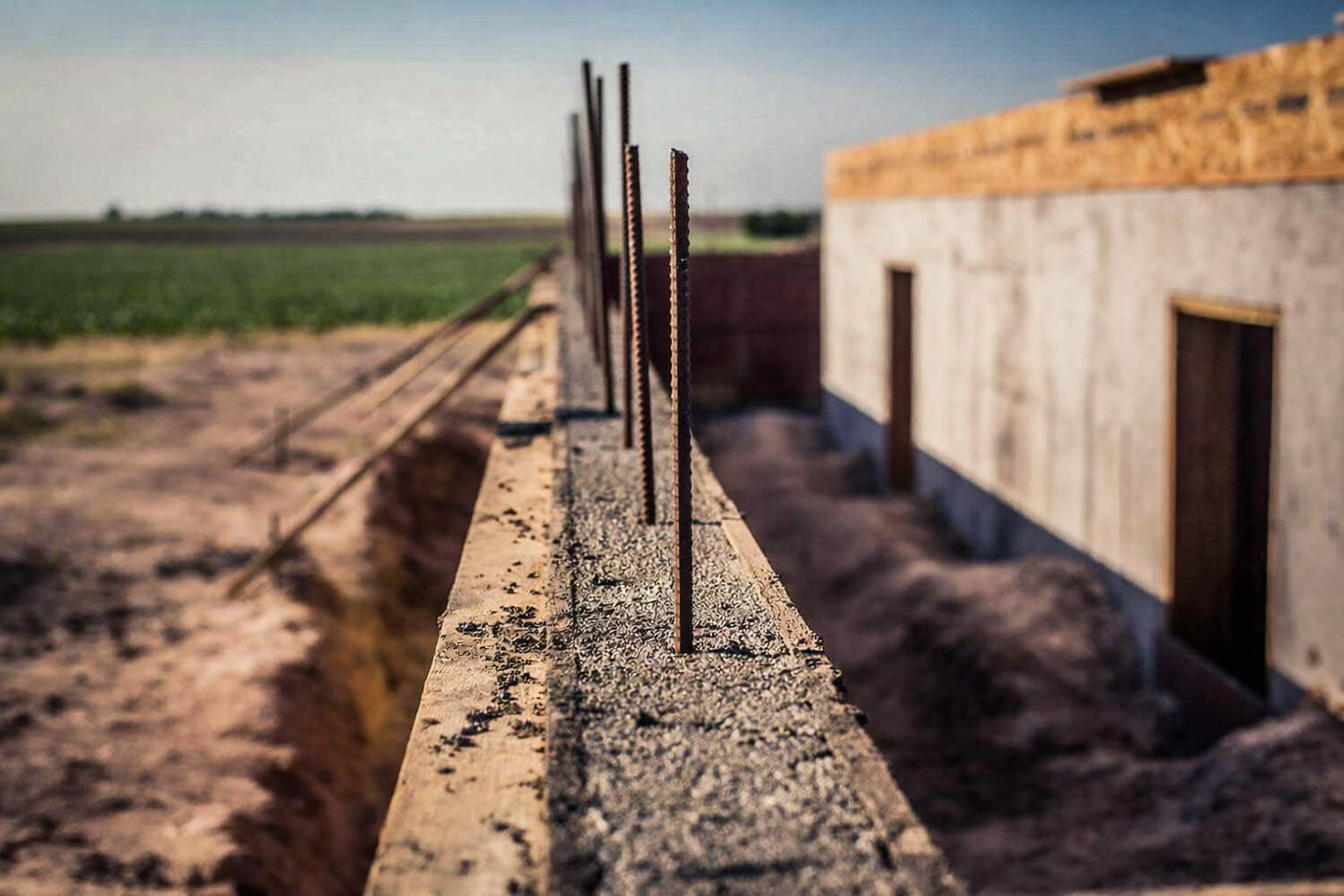
Settled slabs and sinking foundations are a common problem in Lakewood. We lift them back to level before small issues turn into expensive structural repairs.
Foundation raising in Lakewood pumps material underneath a sunken slab or foundation to push it back to level - most residential jobs take half a day to a full day, and foam-based methods let you walk on the surface within 15 minutes. The process is far less disruptive and costly than full replacement. Small holes are drilled through the concrete, lifting material is injected below, and the holes are patched once the slab is back where it belongs.
Lakewood homeowners deal with foundation settling more than most, because the city sits on glacially deposited soils that expand and contract with every rainy season. Once the soil support beneath a slab is gone, the slab drops - and the longer you wait, the worse it gets. If you are also noticing cracks forming in your walls or floors, that is a sign the problem has been building for a while. Catching it before it reaches the point where a full slab foundation rebuild is needed will save you significantly.
If a door that used to swing freely now drags on the floor, or a window that opened easily now jams, the frame around it may have shifted. This often happens when the foundation beneath that part of the house has settled unevenly. In Lakewood, this symptom tends to show up most in late winter after months of rain have saturated the soil.
Small hairline cracks in drywall are common in any home, but diagonal cracks running from the corners of doors or windows are worth paying attention to. These patterns often mean one part of the foundation has dropped while another has stayed put. If you are seeing new cracks appear or old ones getting wider, that is a signal to have someone assess it.
Walk your driveway, patio, or front walkway and look for slabs that have tipped, creating a raised edge where two sections meet. That raised lip is a trip hazard, but it also signals that the soil underneath has shifted. In Lakewood's older neighborhoods, where many slabs were poured 40 or 50 years ago, this kind of settling is common after a wet season.
If puddles form right next to your home's foundation after rain rather than draining away from the house, that water is working its way under your slab. Over time, it erodes the soil support from below. Given how much rain Lakewood gets between October and March, this is one of the most common early warning signs homeowners should watch for.
We handle residential foundation raising using both foam injection and traditional mudjacking methods, depending on what your specific situation calls for. Foam injection is faster to cure and lighter on the soil, while mudjacking is a solid option for larger areas where budget is the primary concern. Both approaches involve drilling small holes, injecting material below the slab, and patching the holes when the lift is complete. If your situation is more involved - such as a section that has dropped too far to raise cleanly - we will tell you honestly and discuss whether concrete cutting and replacement is a better path forward.
We also assess drainage as part of every foundation raising job. Lifting a slab without fixing a drainage problem that caused the settling is only a partial solution. If we see standing water patterns or grading that directs water toward your foundation, we will flag that and can discuss drainage corrections alongside the raising work.
Best for homeowners who need the area back in use quickly and want a lightweight, long-lasting lift.
Well-suited for larger sunken areas where cost per square foot matters more than cure speed.
Ideal for raised lips and tilted slabs that create trip hazards on paths and driveways.
Good for patio slabs and outdoor living areas that have tipped or settled unevenly over time.
Lakewood sits in the South Puget Sound region, where rainfall averages around 40 to 45 inches per year and the wettest months run October through March. That repeated cycle of soil saturation and drying causes the glacially deposited soils under the city to expand, shift, and sometimes wash away from beneath slabs and foundations. It is not a rare event here - it is a predictable consequence of the climate, and a large share of Lakewood homes built in the 1950s through 1980s have foundations that have been through 50 or 60 of these wet seasons. The older the home, the more likely something has shifted. Neighborhoods near Tacoma and Puyallup deal with similar soil conditions, and we work across all of these areas.
Homes near Joint Base Lewis-McChord may also experience soil disturbance from decades of heavy vehicle traffic and ground activity on and around the base. Homeowners in neighborhoods along Bridgeport Way and south of Steilacoom Boulevard sometimes see foundation movement that has a different pattern than typical drainage-related settling. A contractor familiar with the area will recognize these patterns and factor them into the assessment. The Concrete Foundations Association provides industry guidance on foundation repair methods, and Pierce County permit requirements can be confirmed at the Pierce County Building Permits office.
Reach out by phone or the form below. We will ask a few basic questions about what you are seeing and where, then schedule a time to come out within a few days. Replies within one business day.
We walk the affected area, measure how far the slab has dropped, check drainage patterns, and assess whether raising is the right solution. You receive a written estimate before any work is scheduled - no surprises.
The crew drills small holes through the concrete at measured intervals, then pumps the lifting material through until the slab rises to the correct level. Most standard residential jobs take a few hours to a full day.
Once the slab is at the right level, we fill and patch the drilled holes, verify the surface with a level, and walk you through the finished work before we leave. You will know exactly what was done.
Free on-site assessment, written quote, no obligation. We reply within one business day.
(253) 294-7057We are registered with the Washington State Department of Labor and Industries. You can look up our registration number yourself at the L&I Verify a Contractor page - this protects you if anything goes wrong on your property.
Foundation raising that involves structural repair may require a Pierce County permit before work begins. We handle that step for you, keeping your home's record clean for future resale and inspections.
Lakewood's glacially deposited soils shift with every wet season - we know this terrain. Our assessments account for local drainage patterns and soil behavior so the repair addresses the real cause, not just the symptom.
We respond within one business day and give you a written quote after every on-site assessment. The number in that quote does not change unless the scope changes - and if it does, we tell you before we do anything extra.
Lakewood homes sit on soil that moves with every rainy season, and foundation problems here need a contractor who understands that dynamic - not just one who shows up with a pump truck. We combine local soil knowledge, proper permitting, and written estimates to give you a repair that is done right and documented correctly.
When a settled slab cannot be raised, precise concrete cutting removes the damaged section cleanly so it can be replaced.
Learn more about Concrete cuttingWhen raising is not enough and a fresh start is needed, we pour new slab foundations built to handle Lakewood's wet climate.
Learn more about Slab foundation buildingLakewood's wet season starts in October - getting your foundation raised now means one less problem when the ground saturates again. Call today or submit the form for a free assessment.